
Short, high-frequency slot tournaments reward tempo, discipline and small, repeatable advantages. This guide gives five concrete tactics you can use in Tiki Taka-style events so you leave tournaments with more wins and fewer missed opportunities.
1. Pre-read the rules and prize curve
Every tournament has a different scoring method: points per win, total coin value, or progressive multipliers. Spend the first 60–90 seconds reading how scores are awarded and when scores are frozen. If prizes reward high single-spin wins, prioritize volatility; if consistency matters, pick low-variance play.
2. Size your bank like a midfielder
- Allocate a specific tournament bankroll separate from your session stake.
- Use fixed bet sizing that matches tournament length: shorter events favor larger relative bets, longer ones benefit from steadier, smaller bets.
3. Tempo control: burst versus possession
Borrowing the “Tiki Taka” idea: possession (consistent small bets) builds steady leaderboard progress; bursts (aggressive spins) chase top spots quickly. Start steady to map competitor behavior; if the leaderboard is static near the end, switch to bursts to leap ahead.
4. Time bonuses and feature triggers
Identify spins or features with higher expected returns (free spins, multipliers). Save a portion of your bankroll to target those features when they’re most likely to appear—either by machine volatility or by using spins timed around in-game indicators.
5. Track, adapt, and log
Keep a short post-tournament log: game, volatility, bet size, and whether you used bursts. After a few events you’ll see patterns — which games produce the best ROI in this format and which bet patterns consistently push you up the board.
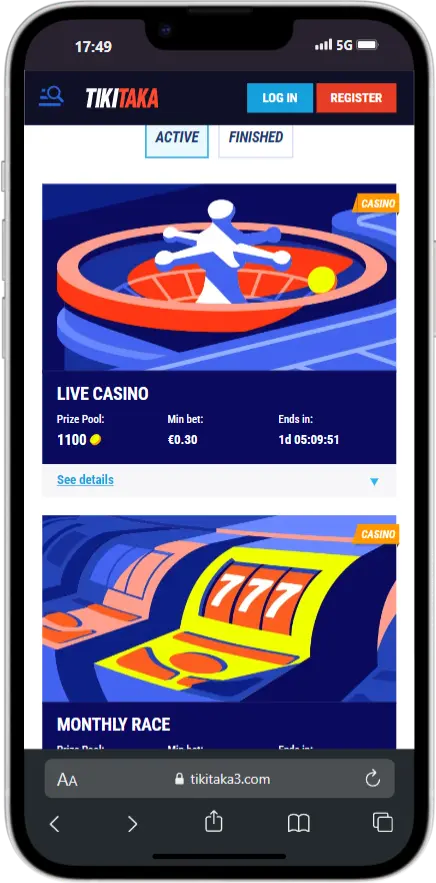
Want a focused environment to practice these tactics? Try events and scheduled tournaments at Tiki Taka Casino where timed formats make tempo decisions decisive.
Takeaway: treat tournaments like short tactical matches — plan, pace, and reserve resources for decisive moments. Small, disciplined adjustments beat random swings over many events.